
Blogs
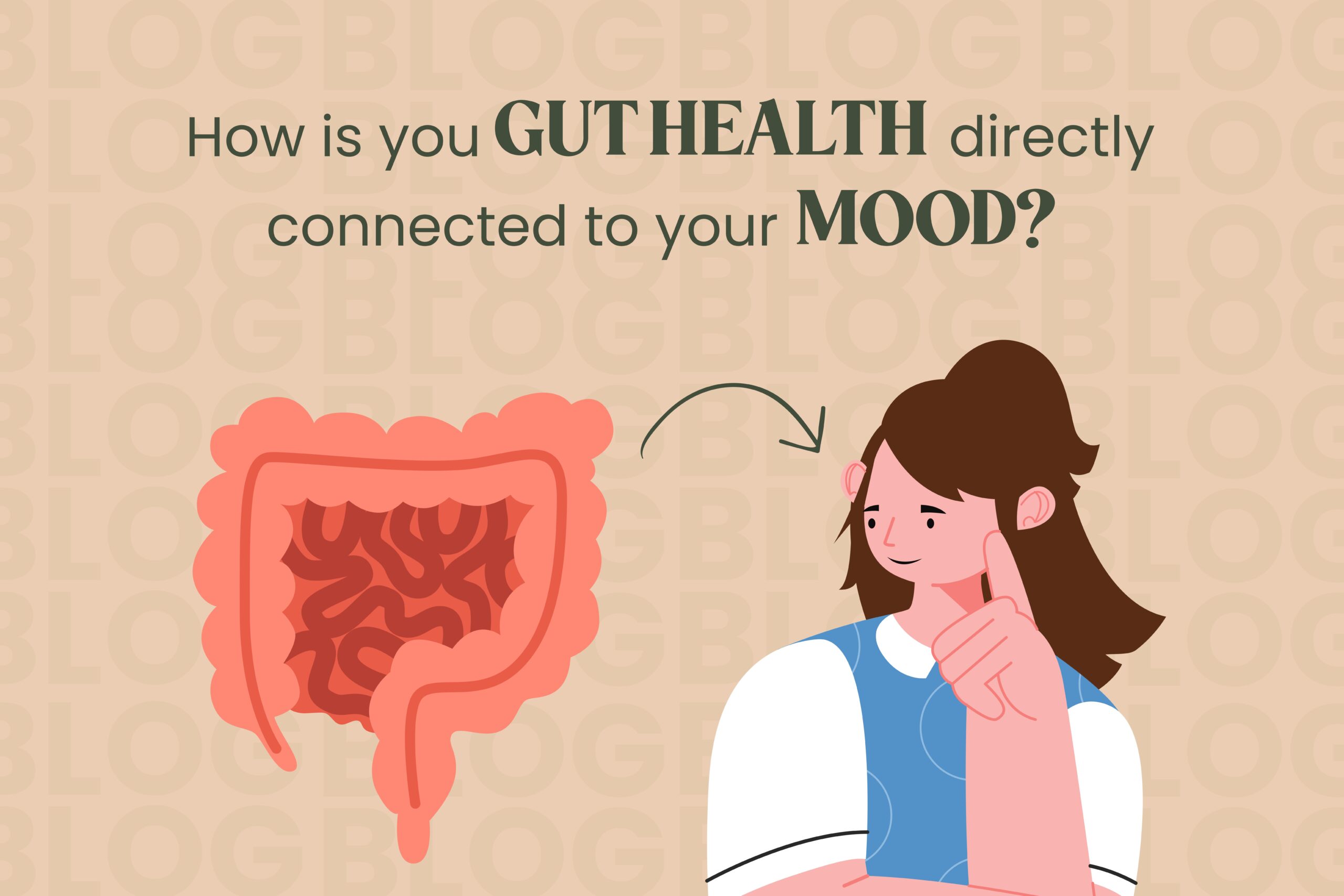
People often say, “Gut feeling”, “Trust your Gut”, “I use my gut instincts”. So what is gut instinct?
Is it something connected with superstition? No. Your gut instinct is more than just a cliched saying; it’s deeply rooted in the intricate connection between your gut health and your mood. Let’s dive into this lovely relationship and understand why keeping your gut healthy can significantly influence how you feel.
The Gut-Brain Connection
Your gut and brain are constantly communicating through what is known as the gut-brain axis. This communication occurs via a complex network of neurons, hormones, and chemicals. The gut is often referred to as the “second brain” because it contains over 100 million neurons and produces many of the same neurotransmitters that your brain does, such as serotonin and dopamine. In fact, about 90% of serotonin, a key player in mood regulation, is produced in the gut.
The Role of Gut Microbiota
The gut microbiota, which consists of trillions of microorganisms living in your intestines, plays a crucial role in this communication. These microorganisms are essential for digesting food, producing vitamins, and protecting against harmful bacteria. More importantly, they influence the production of neurotransmitters and other chemicals that can affect your brain function and mood.
When your gut microbiota is in balance, you’re likely to feel better mentally and emotionally. However, an imbalance in your gut bacteria can lead to the production of inflammatory substances that can affect your brain, potentially leading to mood disorders such as anxiety and depression.
How Gut Health Affects Mood
- Serotonin Production: As mentioned earlier, the gut produces a significant amount of serotonin. A healthy gut can help maintain adequate serotonin levels, contributing to a stable and positive mood.
- Inflammation: Poor gut health can lead to increased intestinal permeability, often referred to as “leaky gut.” This condition allows harmful substances to enter the bloodstream, triggering an inflammatory response. Chronic inflammation is linked to mood disorders, including depression.
- Stress Response: The gut microbiota can influence the body’s response to stress. A balanced microbiota can help mitigate the impact of stress, while an imbalance can worse it, leading to increased anxiety and stress levels.
Tips for Maintaining Gut Health
To support a healthy gut and, by extension, a positive mood, consider the following tips:
- Eat a Balanced Diet: Focus on consuming a variety of fiber-rich foods, such as fruits, vegetables, whole grains, and legumes. These foods nourish beneficial gut bacteria.
- Include Probiotics and Prebiotics: Probiotics, found in fermented foods like yogurt, kefir, and sauerkraut, introduce beneficial bacteria to your gut. Prebiotics, found in foods like garlic, onions, and bananas, feed the good bacteria.
- Stay Hydrated: Drinking plenty of water helps maintain the mucosal lining of the intestines and supports the balance of good bacteria.
- Manage Stress: Practices such as mindfulness, meditation, and regular exercise can reduce stress levels and positively impact gut health.
- Limit Processed Foods and Sugars: These can disrupt the balance of gut bacteria and lead to inflammation.
Conclusion
Understanding the connection between your gut health and your mood underscores the importance of maintaining a healthy digestive system. By taking steps to nurture your gut, you can positively influence your mental well-being and overall quality of life. So next time you’re feeling down, consider looking into your gut health – your second brain might just hold the key to a happier, healthier you.